Navigating STEM Careers: Reflections from TMOS Career Chats
30 Apr, 2026
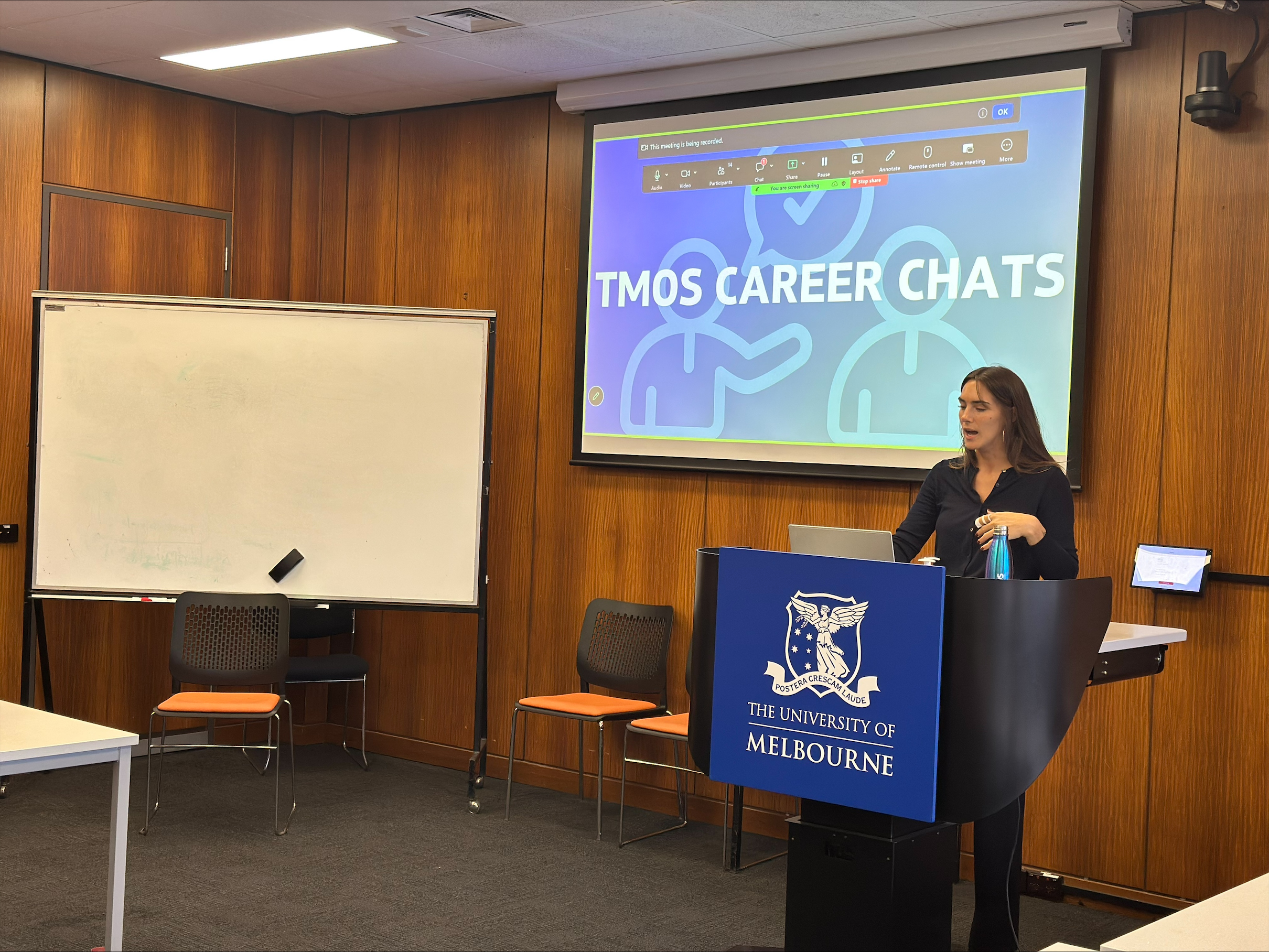
This April, we hosted our second TMOS Career Chats, following a very successful pilot towards the end of last year.
TMOS Career Chats brings together TMOS alumni, senior academics, and industry professionals to share their career journeys with our HDR and ECR community. Rather than focusing solely on achievements, these sessions centre on the full picture—career pivots, setbacks, unexpected opportunities, and the lessons learned along the way.
A key theme across the series is reflection. We ask speakers not only what worked, but what didn’t go to plan, and what they would do differently if given the chance. We also invite them to consider what advice they would give their younger selves.
Feedback from this session was overwhelmingly positive. Attendees indicated they are highly likely to return for future sessions, and many shared that they found the discussions both practical and reassuring as they consider their own next steps.
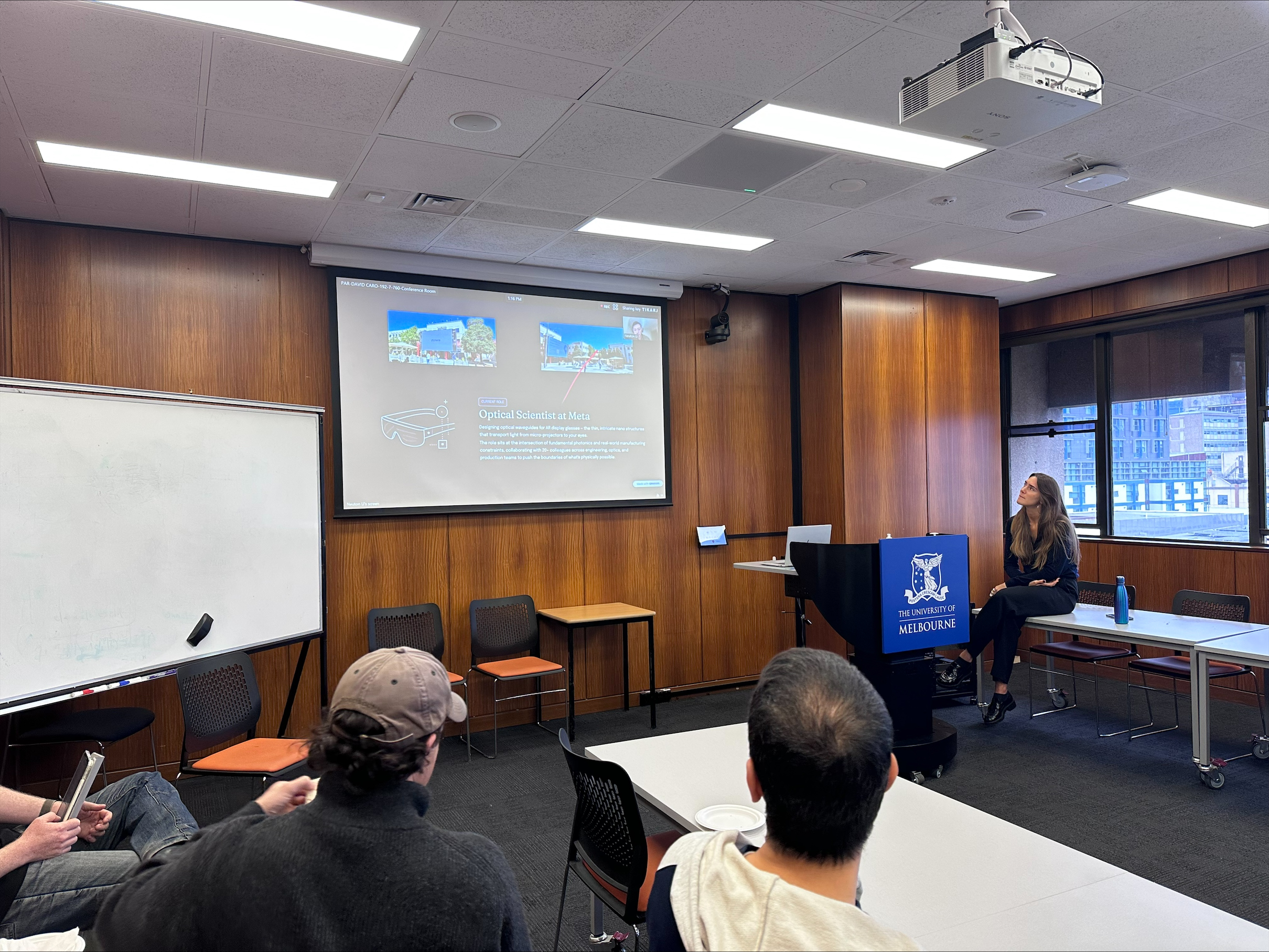
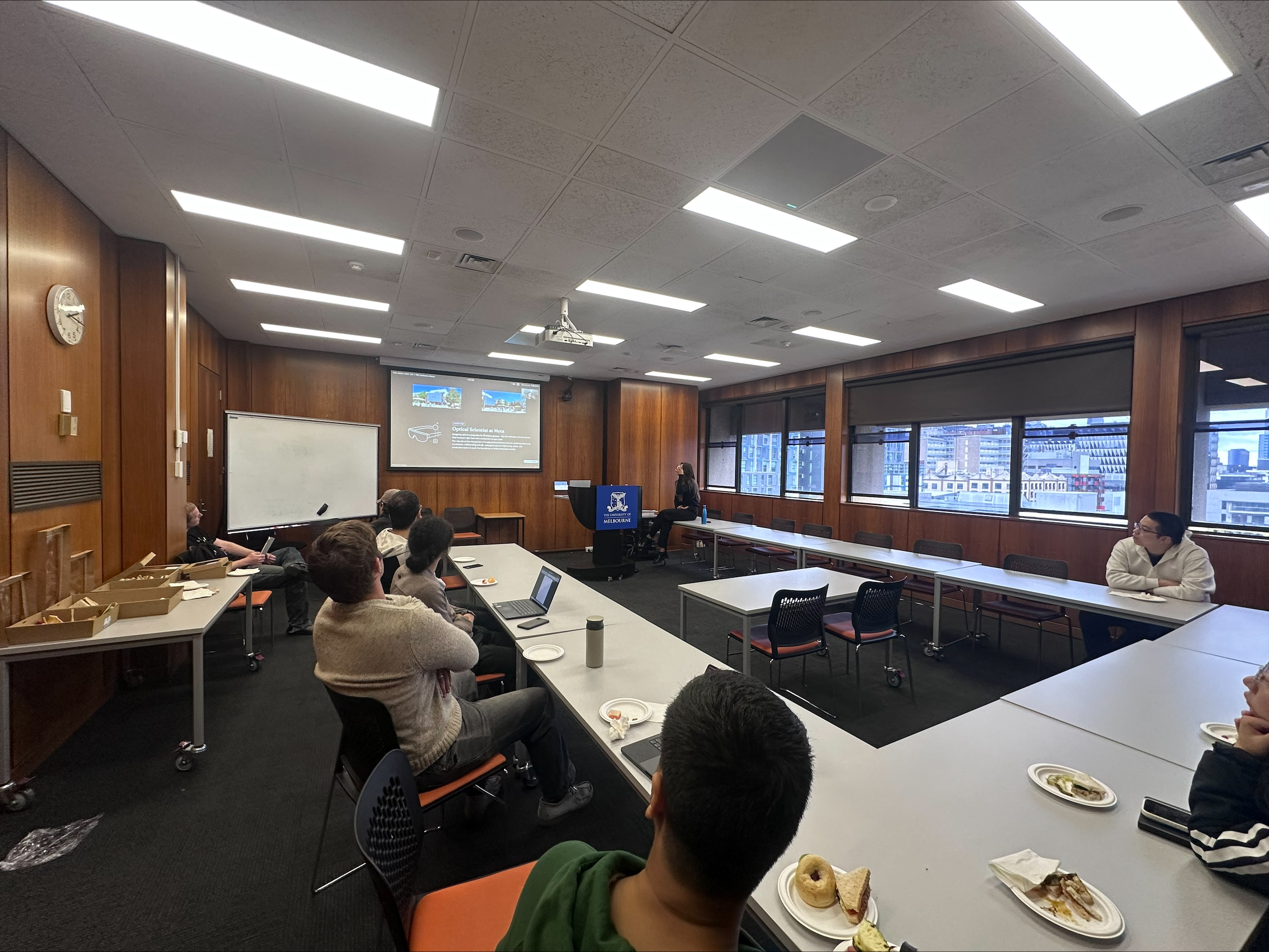
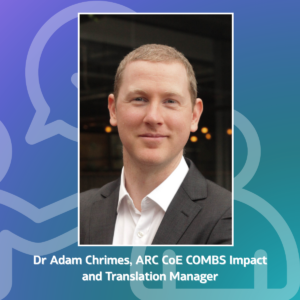
In this session, we heard from TMOS alumnus Dr Neuton Li, now a Physical Scientist at Meta, and Dr Adam Chrimes, Impact and Translation Manager at the ARC Centre of Excellence for Optical Microcombs for Breakthrough Science. Both speakers brought different perspectives—one from global industry and the other from research translation—yet there was strong alignment in the themes they shared.
Speakers from the April TMOS Career Chats:
We’ve pulled together some of the key takeaways from their discussion, which we believe will resonate with the broader early career researcher community…
What makes work rewarding?
For both speakers, fulfilment at work extended beyond the technical aspects of the role.
Neuton highlighted:
- The people you work with
- A collaborative culture
- Contributing to cutting-edge technology in the field
Adam echoed similar sentiments, emphasising both purpose and people:
- The impact of the work—particularly when it contributes to solving real-world problems
- Being surrounded by “visionaries” and working as part of a motivated, forward-thinking team
Together, their responses reinforce that meaningful work is often shaped as much by environment and impact as it is by the work itself.
What helped you get to your current role?
Both speakers pointed to skills and relationships developed over time, rather than any single defining moment.
Neuton focused on:
- Strong communication and networking skills
- Taking the time to understand your own strengths and clearly articulate your contribution
Adam emphasised the value of actively building and maintaining a network:
- Reaching out to supervisors, collaborators, and peers when exploring opportunities
- Leveraging connections to uncover roles that may not be publicly advertised
- Building relationships that can evolve into long-term mentorship
A consistent message here was that networking is not a one-off activity, but an ongoing investment that can shape and support your career in unexpected ways.
What are the challenges of moving from academia to industry?
Both speakers reflected on the shift in pace and structure when transitioning out of academia.
In academia, particularly during a PhD, research can feel relatively open-ended, with a high degree of autonomy in shaping direction and timelines. In contrast, industry environments are often more structured and time-bound, with multiple stakeholders influencing priorities and outcomes.
This can mean:
- Faster-paced work with clearer deadlines
- Research that is more directly aligned to organisational goals
- Increased collaboration, but with less individual control over direction
While this shift can be challenging, both speakers noted that it also brings clarity, momentum, and a stronger connection between research and real-world application.
Final reflections
One of the most valuable aspects of TMOS Career Chats is hearing that there is no single “right” path. Careers are rarely linear, and both speakers demonstrated how openness to change, combined with strong relationships and self-awareness, can lead to rewarding and impactful roles.
For early career researchers, these conversations offer not just advice, but perspective—reminding us that uncertainty is a normal part of the process, and that career development is as much about exploration as it is about planning.