
10 – 13 November 2026
Wrest Point, Hobart, Tasmania
The TMOS Meta Together Conference is here!
About Meta Together
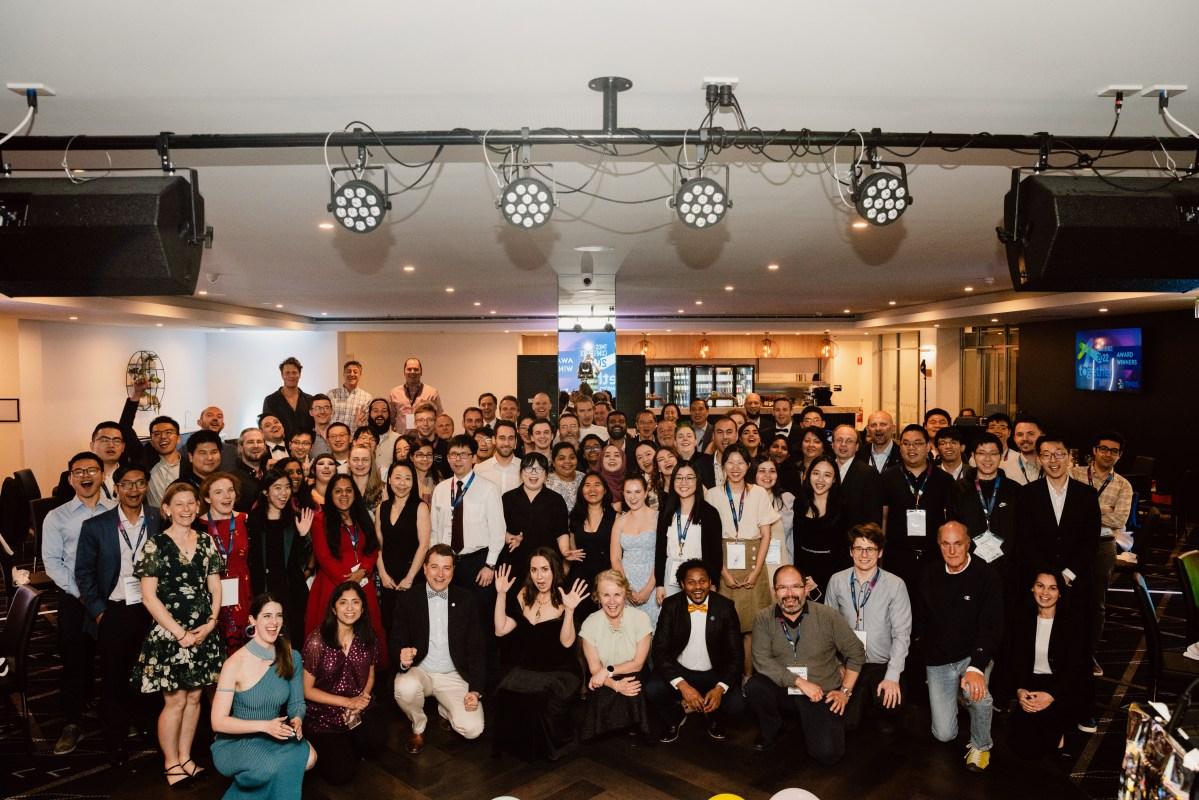
Meta Together is the annual conference of TMOS. Its purpose is to bring members together to share research, foster collaboration and engagement across the Centre, and build a lasting legacy beyond TMOS.
Who should attend Meta Together 2026?
Meta Together 2026 is open to members and guests of TMOS.
Presentation formats
Meta Together 2026 will include:
- Invited Talks (40 minutes)
- Invited Focused Tutorials (40 minutes)
- Contributed Talks (15 minutes)
- Posters: PhD students and Early Career Researchers (ECRs) can present their work in poster format. Nominations must be indorsed by a TMOS Chief Investigator.
- Dragon’s Den 2026: A dynamic session where participants pitch innovative ideas to a panel of experts.
Abstract submissions and registration are now closed
For late registration or other enquiries, please contact tmos@anu.edu.au.
Invited Speakers
 Professor Yeshaiahu (Shaya) Fainman “Foundry enable photonics and applications”
Prof. Fainman is involved in design and realization of ultrafast and miniature optical systems. Current research interests in his group include photonic crystals (band gap); 3-D holographic optical storage for image processing; the investigation of artificial dielectric properties of nanostructures; transparent photonic switching fabric and networks; diffractive optics with multifunctionality; and quantum communications and cryptography for photonic network security and privacy.
Optical signal processing is a major thrust of Fainman’s research, and he is pioneering development of optical code division multiple access (OCDMA), an optical version of the CDMA technology on which most U.S. wireless telephone systems are currently based. OCDMA itself is based on a technique called NSTP–nonlinear spatio-temporal processing. It utilizes pulses from femtosecond lasers to enable the conversion of spatial and temporal information from one domain to the other. Fainman says OCDMA is intrinsically more secure than traditional wavelength division or time division multiplexing and will permit optical networks to operate in excess of 1 terabit per second.
Fainman is a Cymer Professor of Advanced Optical Technologies in Electrical and Computer Engineering at the University of California, San Diego (UCSD). He received his M.Sc and Ph.D degrees from Technion, Israel in 1979 and 1983, respectively. From 1990, he has been directing research of the Ultrafast and Nanoscale Optics group at UCSD and has helped to make pioneering contributions to utilizing near field optical phenomena in inhomogeneous and meta-materials, nanophotonics and plasmonics, nonlinear optics of femtosecond pulses and non-conventional imaging. His research applications target information technologies and biomedical sensing. He has past experience in leading large-scale multidisciplinary projects. For example, in the early 90’s he was director of a project on “Photonic Imaging Networks,” supported by the Focused Research Initiative program of BMDO. Also, as director, he has led one of DARPA’s OptoCenters (Optofluidics), DARPA’s Si Phaser and NACHOs programs, and he is currently a Deputy Director of NSF’s Engineering Research Center known as the Center for Integrated Access Networks–CIAN. He is a Fellow of the Optical Society of America, Fellow of the Institute of Electrical and Electronics Engineers, Fellow of the Society of Photo-Optical Instrumentation Engineers, and recipient of the Miriam and Aharon Gutvirt Prize, Technion, Haifa, Israel (1982), Lady Davis Fellowship (2006), and Brown award (2006). His current research interests are in near field optical science and technology compatible with CMOS manufacturing. Specific research projects include (i) design, fabrication and experimental validation of nanoscale resonant optical structures and devices exploiting both dielectric and metalo-dielectric nanostructures; (ii) nanoscale lasers and evanescent field imaging and sensing; (iii) plasmonic nanostructures for electromagnetic field localization beyond diffraction limit, enabling biomedical sensing and imaging on the nanoscale in all three spatial dimensions; (iv) optofluidics technology integrating microfluidics with micro- and nano-scale optics for sensing and monitoring; (v) optical signal and information processing using femtosecond laser pulses; (vi) quantum cryptography, communication, and quantum information processing; and (vi) multidimensional quantitative imaging in near and far fields. He has contributed over 200 manuscripts in peer review journals and over 350 conference presentations and conference proceedings.
 Professor Irina Kabakova “Brillouin and quantum imaging”
Dr Irina Kabakova is a Professor in Optical Physics with the School of Mathematical and Physical Sciences, UTS. She specialises in developing novel microscopy techniques based on Brillouin light scattering that can be directly applied to map local compressibility and viscoelasticity of cells and tissues at the microscale. She also has interests in photonic integration and miniaturisation of imaging setups that will enable translation of laboratory techniques towards clinical use.
Irina is an alumna of Moscow State University (2004-2007), where she did her Masters Degree in nonlinear optics, and the University of Sydney (2008-2011) where she undertook her PhD in nonlinear optics, high-Q cavities and all-optical switching. Irina held various research positions at the University of Sydney, Nanoscience Centre AMOLF in Amsterdam, and Imperial College London before moving to UTS in 2017.
In 2018, Irina received a prestigious Australian Research Council Discovery award to construct the first in Australia Brillouin Imaging (BI) Facility and study application of BI to understanding mechanobiology of bone and lung cells. This research aims to explain how pathological processes within these biological systems alter their micromechanical properties and apply BI as a diagnostics tool for various human diseases and conditions.
As a dedicated educator, Irina has contributed to the development of several teaching programs for UTS’s Bachelor of Science in Physics degree (Optics, Medical Devices and Diagnostics, Medical Imaging Technology). She is a core member of the Institute of Biomedical Materials and Devices (IBMD@UTS). To date, she has attracted a combined total of over $70m in research funding – a major achievement in a relatively short scientific career. She is a Chief Investigator in the Australian Research Council Centers of Excellence in Quantum Biotechnology (QUBIC) and Optical Microcombs for Breakthrough Science (COMBS).
In 2022, Irina received the Australian and New Zealand Optical Society (ANZOS) Award for Mid-Career Scientists and the Mid-Career Researcher Award from UTS in 2023. She has published widely in top tier journals and books including Nature Methods, Nature Communications, Small and Biofabrication. She has also been a keynote, plenary and invited speaker at conferences in Australia, Europe and USA.
 Professor Kristinn Gylfason “A guide to the design and packaging of silicon photonic MEMS”
Kristinn B. Gylfason received the title of Docent in Micro- and Nanosystems in 2015 and the PhD degree in Electrical Engineering in 2010, both from KTH. He received the MSc and BSc degrees in Electrical Engineering from the University of Iceland in 2003 and 2001, respectively. In the spring term of 2002, he did an exchange at the University of California, Santa Barbara, USA. From 2003 through 2005, he was a research engineer at Lyfjathroun Biopharmaceuticals, Iceland, and in 2005 he received the Steinmaur Foundation nanotechnology graduate study scholarship. He received the Göran Gustafsson Young Researcher Price as well as the largest Young Researcher grant awarded by the Swedish Research Council to KTH in 2011. During spring 2013, Kristinn was a visiting post-doctoral scholar at the Photonics Group, Ghent University, Belgium.
Kristinn Gylfason is researching nanophotonics and how they can enhance our environmental monitoring and communication systems. The localization of hidden sources of greenhouse gas emissions, such as carbon dioxide and methane, is becoming increasingly important due to global warming. Through the tools of nanophotonics, small and inexpensive gas sensors can be manufactured in large volumes to establish global networks of environmental monitoring sensors. Kristinn and his research team have developed miniaturized optical carbon dioxide and methane sensors that can be integrated into smartphones or flown around in drones to ensure air quality and locate emissions. As the need for data communication continues to grow, more of our communication systems are becoming optical. By employing nanophotonic methods, energy-intensive microelectronic circuits can be replaced with light circuits capable of handling large amounts of data with minimal energy consumption. Kristinn and his research group have developed such light circuits that can dramatically reduce power consumption in data centers.
 Professor Sejeong Kim “Structured light and chiral photonics”
Dr. Sejeong Kim is an Associate Professor at the School of Electronic and Electrical Engineering at Sungkyunkwan University. She received her PhD in Physics from KAIST (Korea Advanced Institute of Science and Technology) and was a research fellow at the University of Technology Sydney before joining Melbourne.
She led the Melbourne Integrated Nanophotonics Engineering (MINE) lab, where her research focuses on light-matter interactions at the nanoscale, particularly involving photonic and plasmonic cavities, quantum light sources, and 2D materials. Dr. Kim is an OPTICA Ambassador and the Chair of OPTICA’s Nanophotonics Technical Group. Her contributions to integrated nanophotonics have been recognized with several awards, including the 2022 Ivan P. Kaminow Outstanding Early Career Professional Prize, the Young Tall Poppy Science Award.
 Professor Willie Padilla “Autonomous Agentic Frameworks for the End-to-End Inverse Design of Electromagnetic Metamaterials”
Willie Padilla has been in the metamaterials field since 2000, when he co-authored the first paper on negative index materials with Smith. Padilla is particularly well known for his work at terahertz (THz) frequencies, as well as in the area of active and dynamically controlled metamaterials. While working under a Director’s Postdoctoral Fellowship at Los Alamos National Laboratory, Padilla led efforts to demonstrate dynamic tuning of a semiconductor hybrid metamaterial by photodoping and voltage control. Both of these key experiments are now widely recognized and cited. Padilla’s lab specializes in the THz, infrared, optical and magneto-optic properties of novel materials utilizing various spectroscopic methods, including Fourier transform spectroscopy and ellipsometry. Padilla’s recent interests include tailoring the emissivity of objects with metamaterial coatings, and the use of active metamaterial arrays as components in THz and infrared imaging systems.
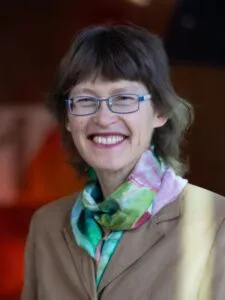 Heike Ebendorff-Heidepriem “Specialty optical glasses and fibres: a powerful platform for the exploration of new concepts and applications”
Heike Ebendorff-Heidepriem is Professor in Photonic Materials and Optical Fibres and Deputy Director of the Institute for Photonics, Advanced Sensing and Quantum Technologies (IPAS-QT) at Adelaide University. She is also Director of the Optofab Adelaide Hub at the Australian National Fabrication Facility (ANFF).
She received the Ph.D. degree in 1994 at the University of Jena, Germany, where she continued until 2000. In 2001, she moved to the Optoelectronics Research Centre in Southampton, UK; and since 2005, she is with the University of Adelaide, which is since 2026 Adelaide University, Australia.
In 2023, she was awarded a South Australian State Government Future Making Industry Fellowship and an ARC Laureate Industry Fellowship on “Breaking through the manufacturing ‘glass ceiling’ for ZBLAN glass fibres”. Since 2024, she is Chief Investigator at the ARC Centre of Excellence in Optical Microcombs for Breakthrough Science (COMBS). Her research focuses on the development of novel and advanced optical glasses and specialty optical fibres for science and industry applications.
Exciting news! Building on the fantastic success of last year’s Shark Tank session, we’re introducing something new at this year’s Meta Together Conference…
Dragon’s Den at Meta Together:
TMOS Research Translation Pitch Challenge 2026
Overview:
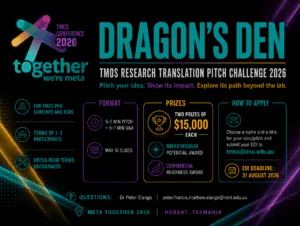
TMOS invites PhD students and Early Career Researchers (ECRs) to participate in Dragon’s Den: TMOS Research Translation Pitch Challenge 2026, to be held as part of Meta Together 2026, the annual conference of TMOS, in Hobart, Tasmania. Dragon’s Den is designed to showcase bold, research-driven ideas with strong potential for translation, industry engagement, commercialisation, venture creation, or broader real-world impact.
Who can participate:
The opportunity is open to TMOS PhD students and ECRs. Teams may include 1 to 3 participants and may be formed across TMOS nodes, encouraging collaboration across the Centre.
What participants will pitch:
Participants are invited to pitch a research-driven idea, technology, translational concept, startup opportunity, industry application, or pathway-to-impact concept arising from TMOS-related work. Pitches should communicate not only the underlying science, but also the problem being solved, the opportunity, the target market, and the route toward real-world adoption.
Pitch format:
Each shortlisted team will present:
- a 5–7 minute pitch
- followed by 5–7 minutes of questions
- using no more than 10 slides
The format is intended to reward both clarity of communication and strength of translational thinking.
Prize categories:
Two prizes of $15,000 each will be awarded:
- Breakthrough Potential Award
- Commercial Readiness Award
The Breakthrough Potential Award recognises the idea with the strongest future upside, originality, and transformative potential.
The Commercial Readiness Award recognises the idea with the clearest and most credible path toward adoption, partnership, translation, or commercialisation.
Please note: Prize money is non-dilutive award for the winners to push forward their translation ideas.
Suggested content for the 10-slide deck:
Participants are encouraged to structure their presentation around the following:
- Title slide — idea name, pitch title, team members, institutions, TMOS node
- Problem — the need, pain point, or gap being addressed
- Solution — what the idea is and how it works
- Why now / why TMOS — enabling science, research basis, differentiator
- Market opportunity — including TAM, SAM, SOM where relevant
- Customer and use case — first user, first buyer, first application
- Competition and differentiation — alternatives and why this is better
- Business model and path to market — licensing, startup, partnership, pilot etc.
- Traction, roadmap, and risks — current stage, next milestones, key challenges
- The ask / closing — what support, validation, funding, or next step is needed
How to apply:
To apply, participants should choose a name and a title for their idea/pitch and submit their EOI to tmos@anu.edu.au.
The deadline for Expressions of Interest is 31 August 2026.
Enquiries:
For questions, please contact Dr Peter Elango, TMOS BDM – Research Translation & Commercialisation:
peter.francis.mathew.elango@rmit.edu.au
Accommodation
Please note that all accommodation bookings and payments must be arranged by Node Chief Investigators (CIs) in accordance with your university’s policies and financial regulations.
Conference Venue
The conference will be held at Wrest Point, 410 Sandy Bay Road, Sandy Bay, Hobart, Tasmania, Australia.
Wrest Point offers a range of accommodation options to suit different needs. In addition to standard hotel room configurations, twin-share rooms are available. Accommodation options are also suitable for TMOS members travelling with family.
Registration
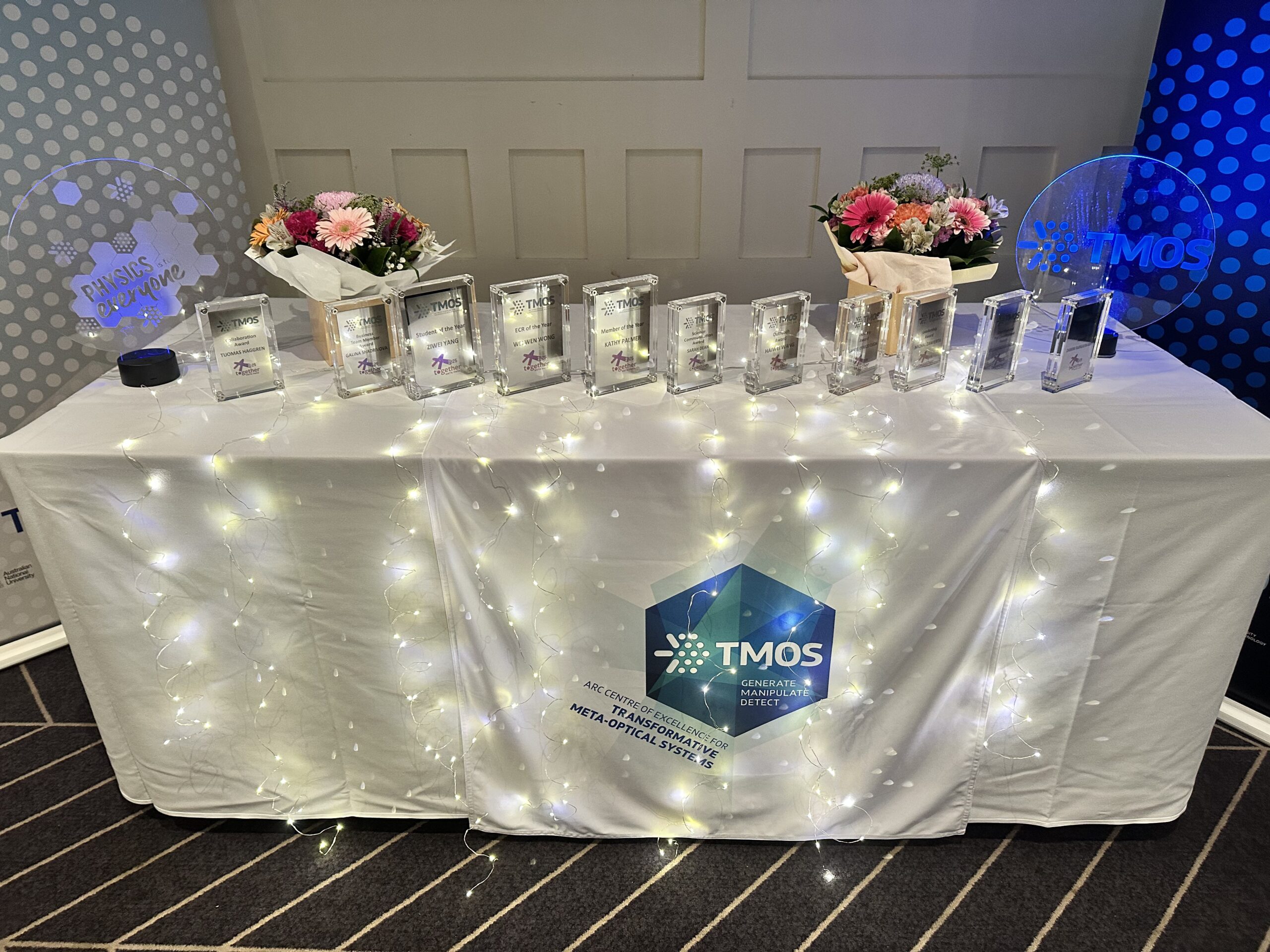
Registration includes attendance at the conference, Welcome BBQ Dinner, Gala Dinner and Awards Night, all lunches, coffee breaks and social drinks.
By registering for this conference, you agree to the Terms and Conditions.
REGISTER – open until 31 August 2026
Carer Scholarship
TMOS recognises that caring responsibilities can present major barriers to participation in TMOS related professional development.
This is why we’re offering our members financial support for either their own care needs or the care responsibilities of others when attending the TMOS Annual Conference.
Please use this form to our policy and/or apply for this initiative.
Presentation Templates and Guidelines
ABSTRACT SUBMISSION GUIDELINES
Important dates
- Oral/ Poster Abstract Submission: CLOSED
- Conference Registration: 3 July – 31 August 2026
- Dragon’s Den Full Application Submission: 1 June – 31 August 2026
Conference program
TMOS 2026 Conference Program – The draft program can be found on the top of this page.
Conference details for attendees
All delegates have received a link to the official TMOS Meta Together Conference 2026 website, which contains the program, delegate information pack, link to Conference 2026 Slack Channel, and other helpful resources. Check the email sent to you by the conference organisers.
Contacts
 Eleanor Bowles
Professional Staff
RMIT University
 Liz Micallef
Professional Staff
Australian National University
Steering Committee
Madhu Bhaskaran
Chief Investigator
RMIT University
Kenneth Crozier
Centre Deputy Director
University of Melbourne
Dragomir Neshev
Centre Director
Australian National University
H. Hoe Tan
Chief Investigator
Australian National University
Mariusz Martyniuk
Chief Investigator
University of Western Australia
Galina Shadrivova
Business Manager
Australian National University
Liz Micallef
Senior Administrator, Events Coordinator
Australian National University
Eleanor Bowles
IDEA Officer, Node Administrator
RMIT University
Peter Francis Mathew Elango
Business Development Manager - Commercialisation
RMIT University
Toby Severs Millard
Postdoctoral Researcher
University of Melbourne
Olga Bazaka
Chief Operations Officer
Australian National University
Julie Leroux
Centre Coordinator
Australian National University
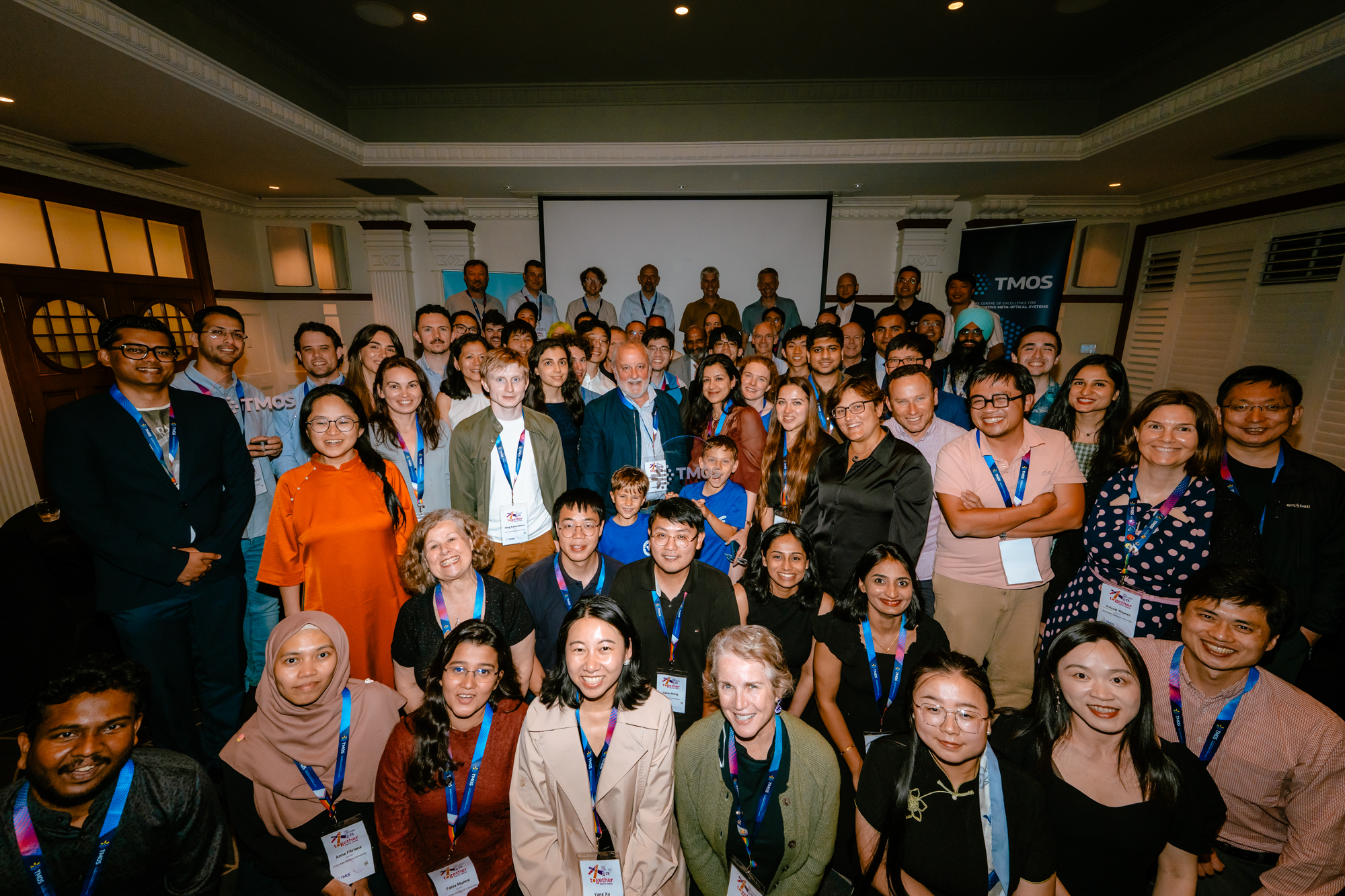
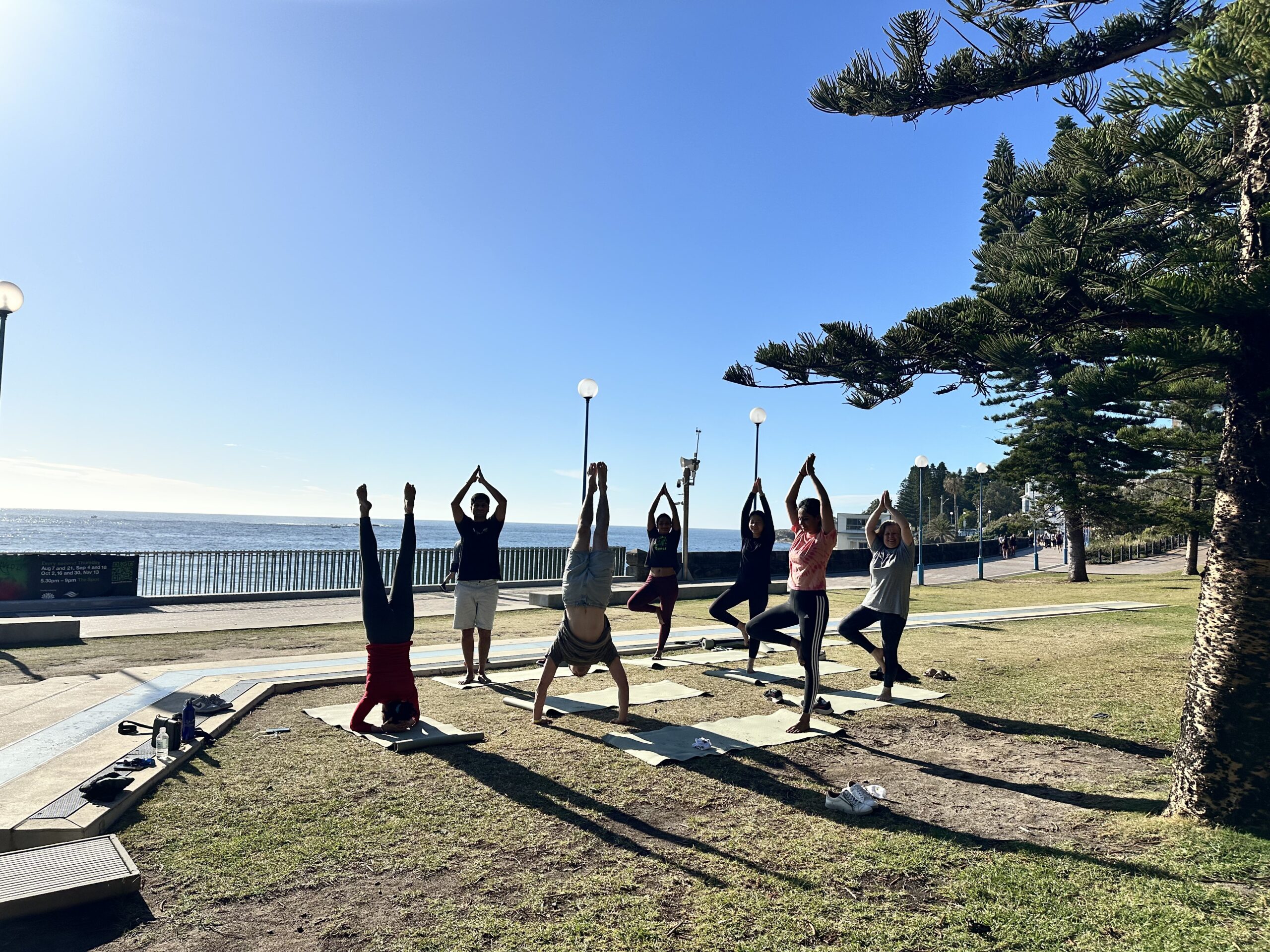
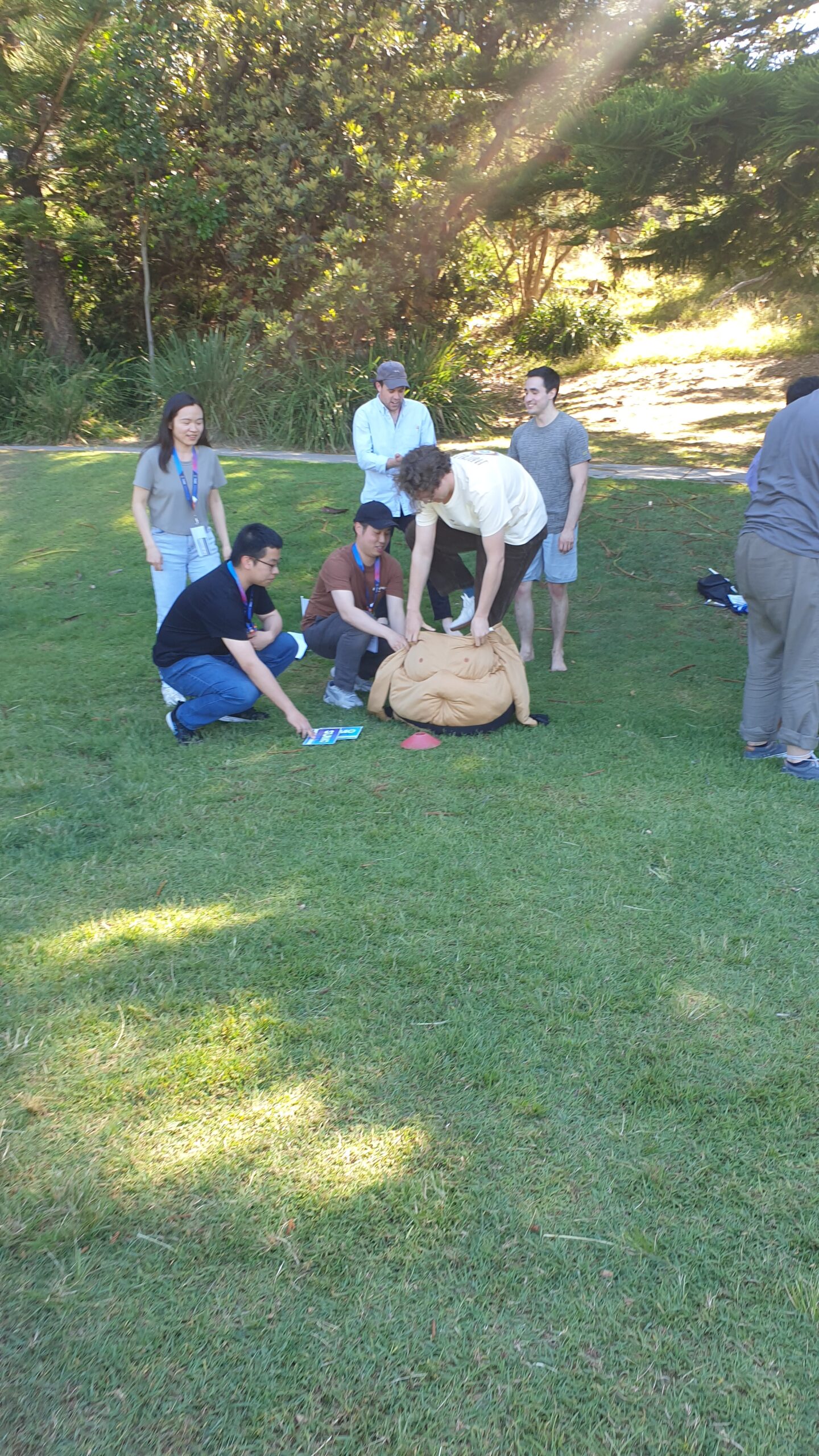
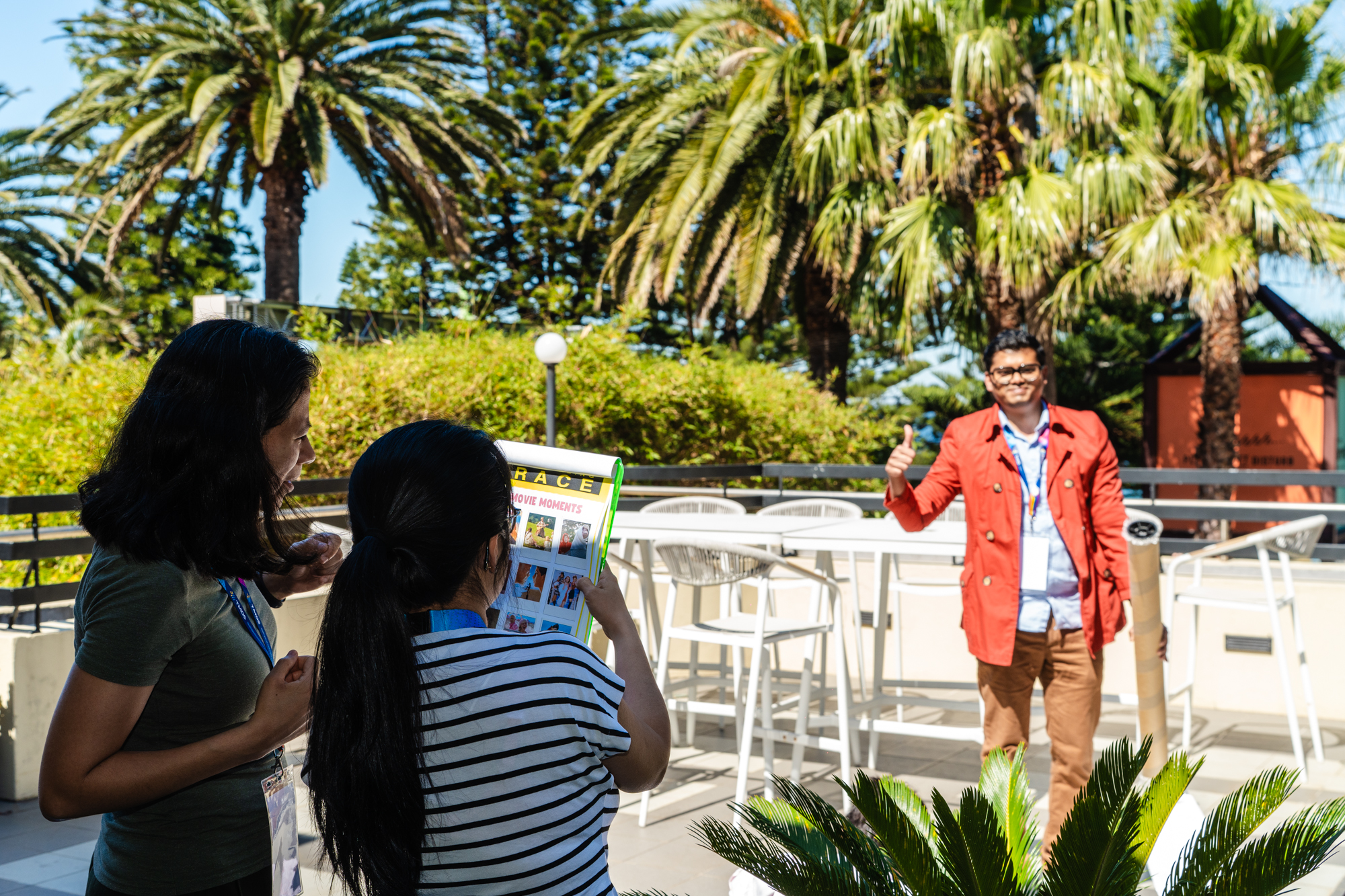
Meta Together 2025
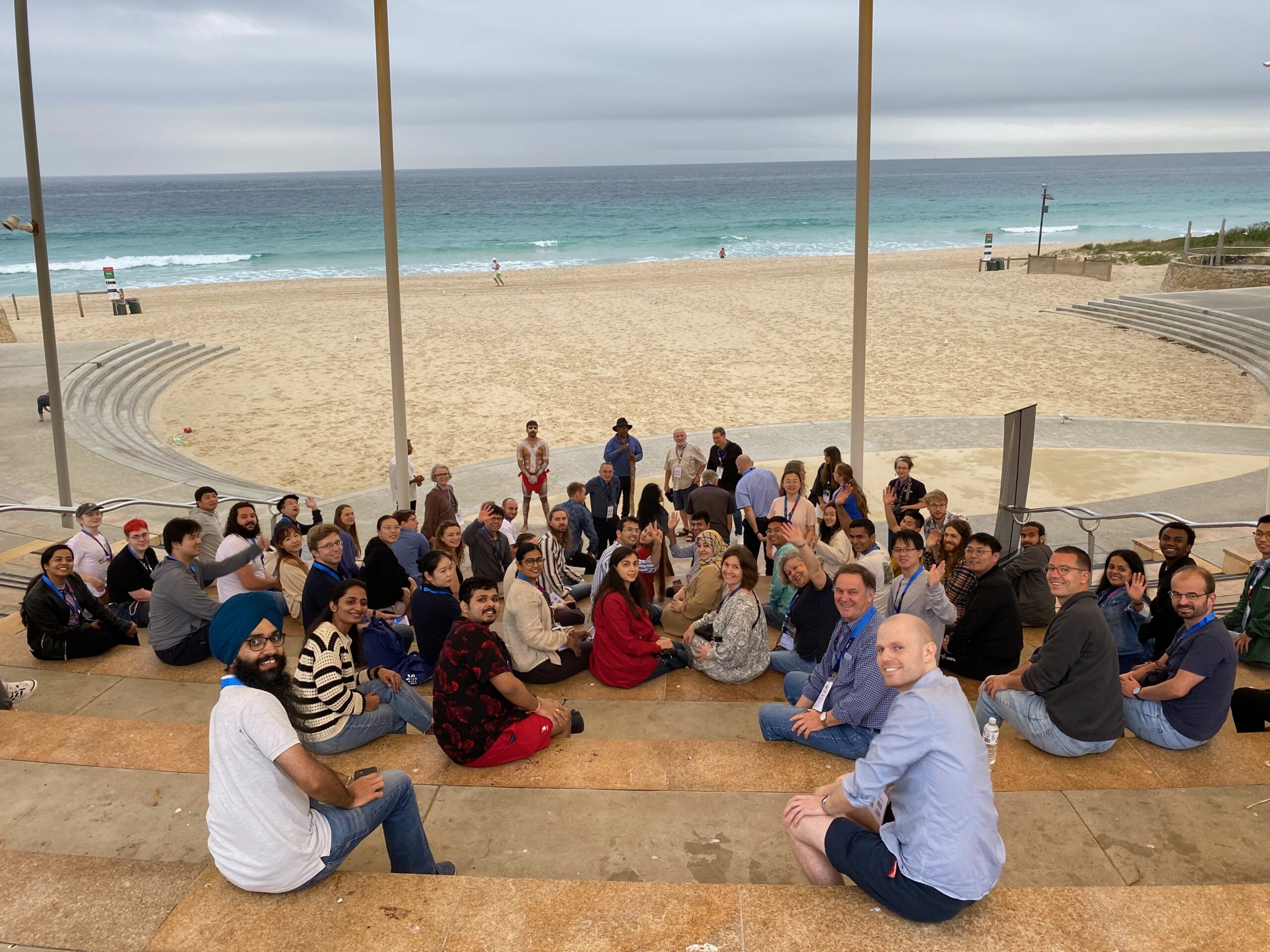
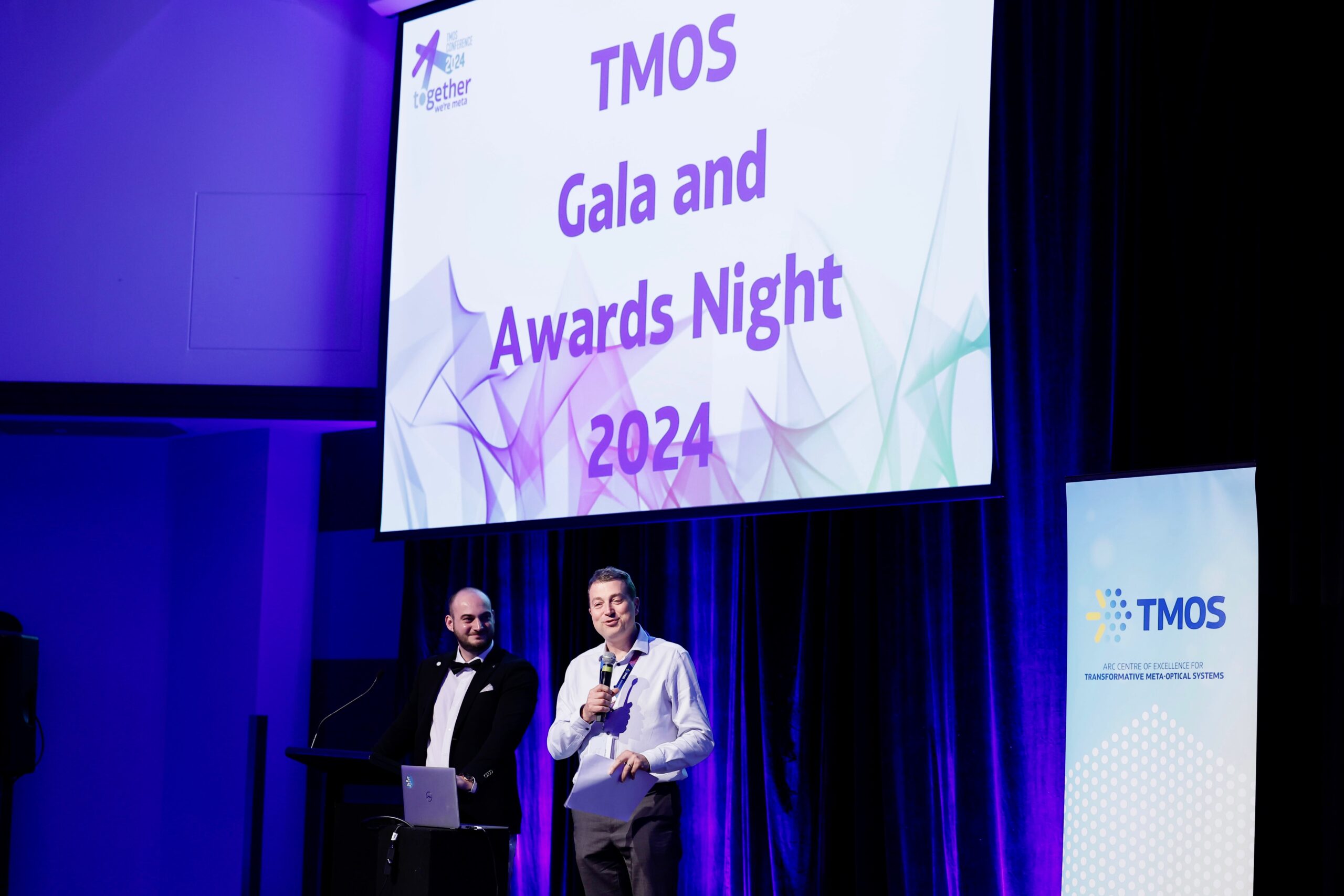
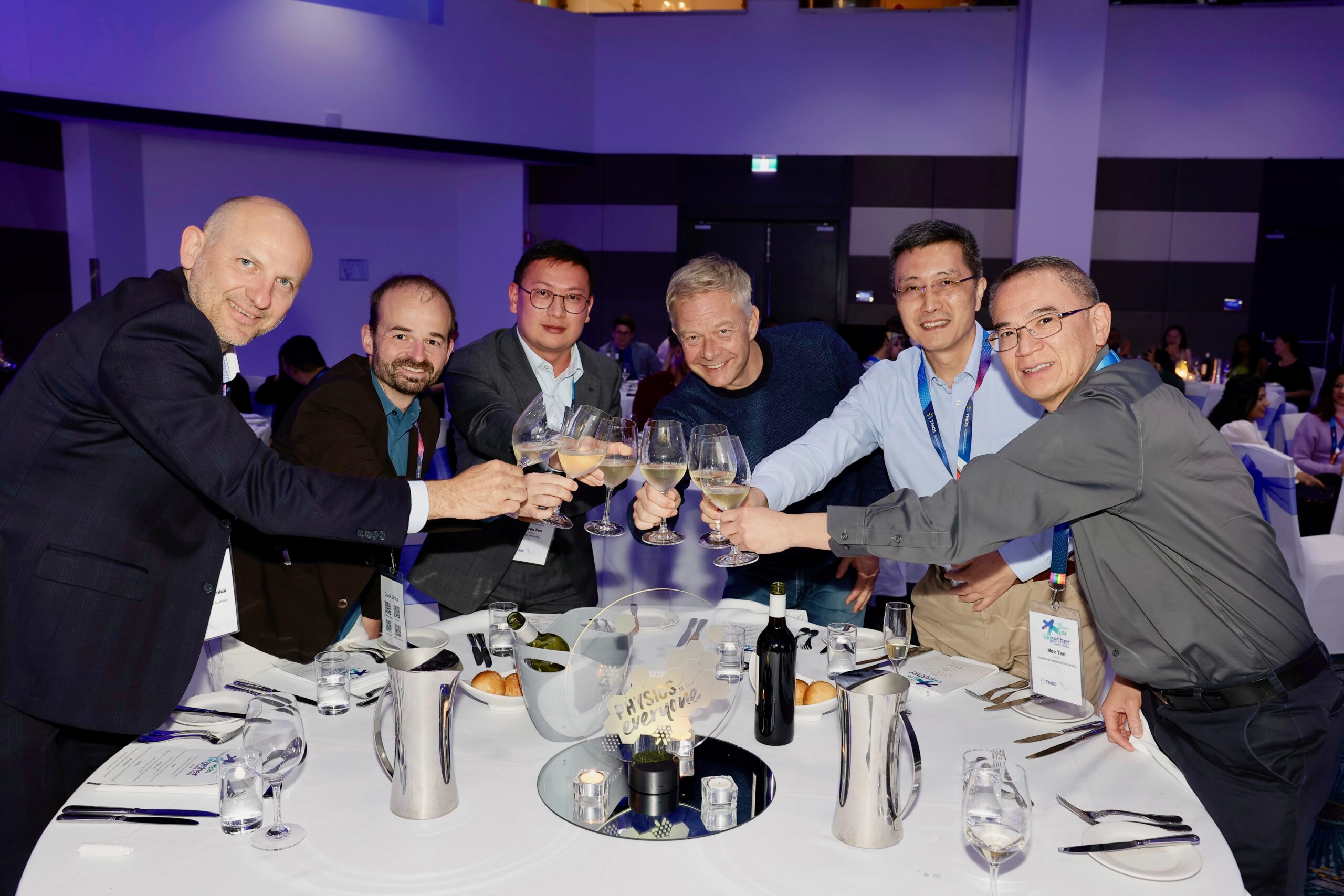
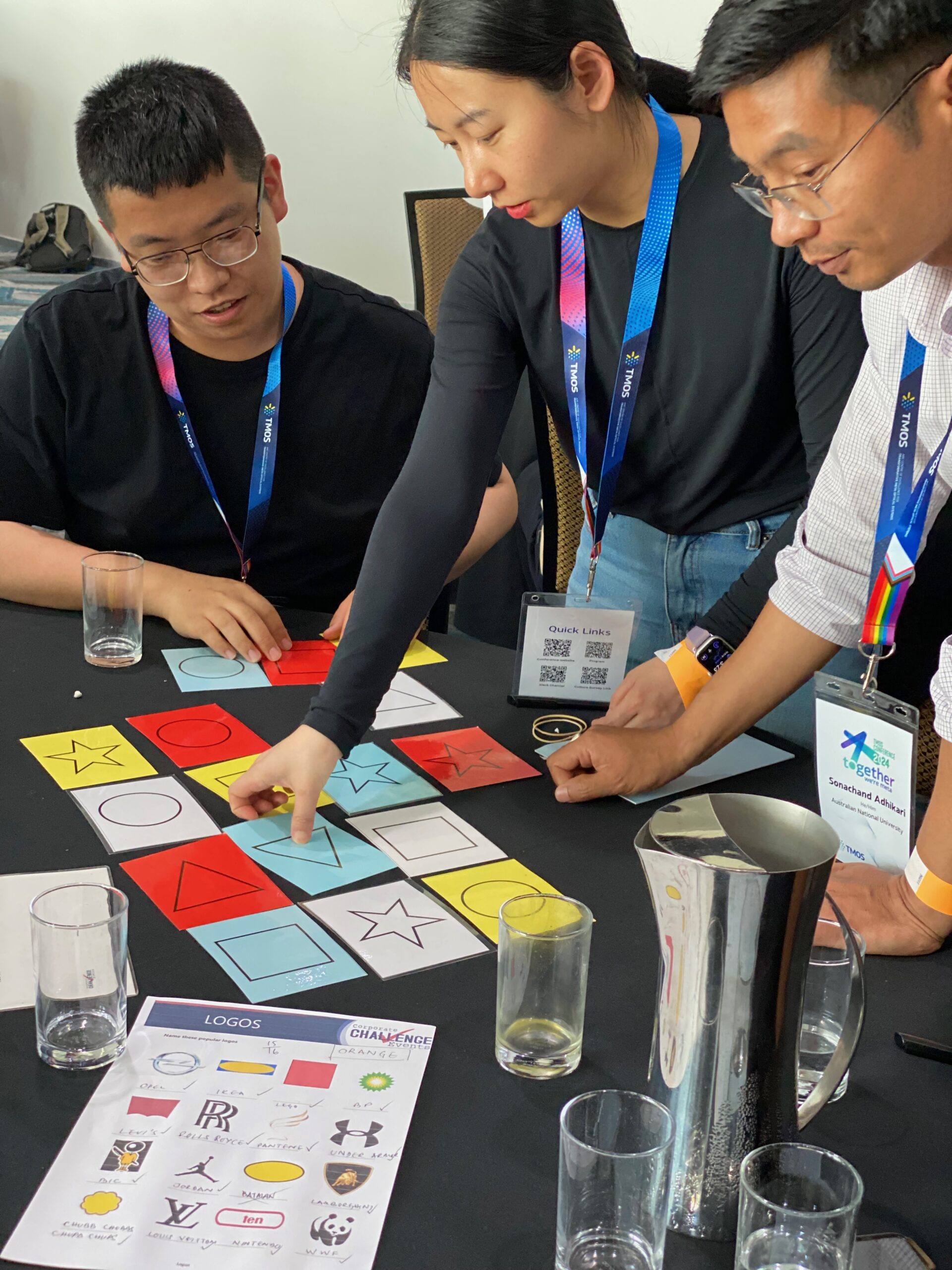
Meta Together 2024
Meta Together 2023

Meta Together 2022


Acknowledgement of Country
The ARC Centre for Transformative Meta-Optical Systems (TMOS) acknowledges the Traditional Owners and their custodianship of the lands on which our teams operate. We pay our respects to their Ancestors and their descendants, who continue cultural and spiritual connections to Country. We recognise their valuable contributions to Australian and global society.